GADAZIDET

Rental

Truck and van rental in Tbilisi

Compare providers who rent out trucks and vans — with a driver or without, for how long and on what terms.

Truck rental in Tbilisi means three different things: a vehicle with a driver, a vehicle without one (self-drive), or a transport service performed by the vehicle’s owner. All three are advertised using the same word, while the price and the liability are completely different.

On this page you can compare the providers who rent out trucks and vans — which option they offer, for how long and on what terms. The price, the deposit, the mileage limit and the insurance terms are set by each provider individually.

Choose a provider (2)

Your call goes straight to the provider you choose.

Option
with driver or self-drive
Term
daily or long-term
Terms
set by the provider
Area
Tbilisi

Truck rental — providers

2 providers

Reviews are checked for spam before publication. A provider cannot have a genuine negative review removed.

Cargo transport

••• 0259

New partner — fewer than 3 reviews so far

Service with a Ford and with large tippers. Removal of waste and rubbish. Long-term rental with a driver is possible.

  • Rental with driver
Local service
Tbilisi
Photograph from the provider’s advert — Cargo transport (1/2)

Truck rental

••• 0749

New partner — fewer than 3 reviews so far

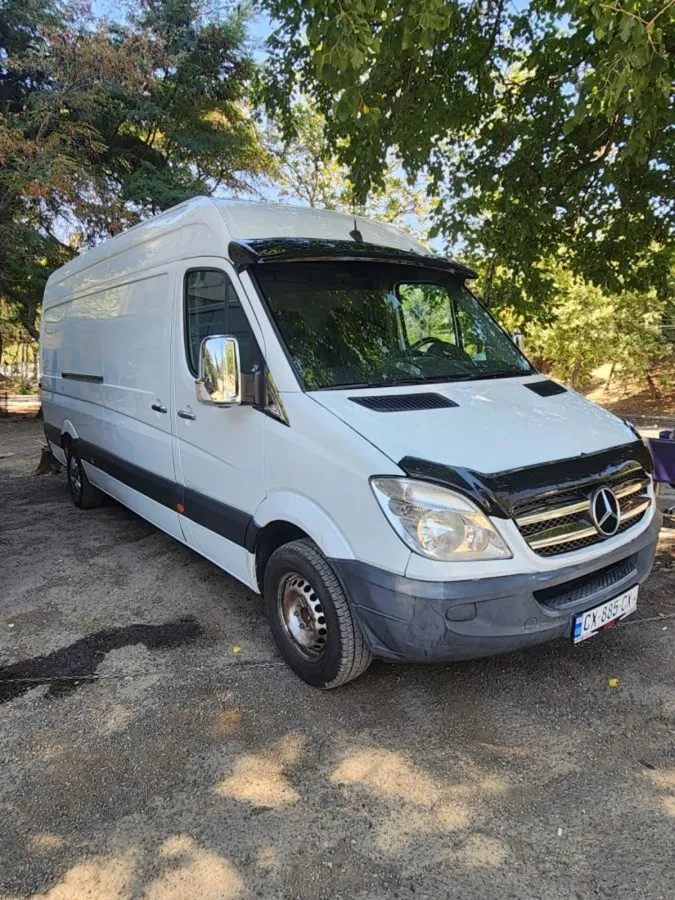
The truck has had the servicing it requires. It is fitted with a GPS system and a rear-view camera. Available for rental with a driver and without a driver. Parking near the metro.

  • Rental with driver
  • Self-drive
Local service
Tbilisi
Photograph from the provider’s advert — Truck rental (1/3)

Comparison table

Provider Rating Price Services Area Hours Contact
Cargo transport fewer than 3 reviews Rental with driver Tbilisi +995 598 77 02 59
Truck rental fewer than 3 reviews Rental with driver, Self-drive Tbilisi +995 599 72 07 49

Three different offers under the same name

The first thing to establish on the call is which of them you are discussing. Adverts frequently word all three the same way:

OptionWho drivesWhen it suits you
Rental with a driverthe provider’s driverwhen you do not hold the right licence category or have no experience driving a truck
Rental without a driver (self-drive)youwhen you hold the category and need the vehicle for several days or months
Transport servicethe owner, in their own vehiclewhen you need a specific load moved, not a vehicle

Not every provider offers self-drive — many rent only with a driver. It appears on the cards only for providers who have confirmed it directly.

Short-term and long-term rental

The term changes both the price structure and the conditions:

Short-term — a day or a few days

Suits a one-off job: an apartment move, bringing in building materials, taking exhibition equipment out and back.

Usually charged at a daily rate, often with a mileage limit. On a short term the deposit and the insurance conditions are stricter, because the provider does not know the driver.

Long-term — by the month

Suits a regular route or a seasonal workload where you do not want to buy a vehicle of your own.

Per day it usually works out cheaper, but separate questions appear: who pays for servicing, tyres and repairing damage. That belongs in the contract, not in a verbal understanding.

What to compare between providers

These are the parameters that appear on a card once the provider has confirmed them. Where a parameter is not shown, it means it has not been confirmed — not that the answer is no:

Vehicle model
which vehicle it is and its year
Cargo dimensions
length, width, height
Load capacity
how many kilograms it is rated for
With a driver
whether they rent it with a driver
Self-drive
whether they rent it without a driver
Minimum term
an hour, a day or a month
Deposit
whether one is required, and in what form
Licence category
which category this vehicle requires
Mileage terms
the limit and the rate above it
Fuel terms
the tank level it is issued with and returned at
Insurance
what is covered and what stays with the driver
Pick-up location
where you collect it and where you return it

Confirmed parameters appear on the card and on the provider’s profile. The comparison table appears once two or more providers are listed for this service.

What to check before signing the contract

For self-drive rental these nine points determine what you end up paying:

  1. 01 which licence category this particular vehicle requires — it depends on its permitted mass, and the provider should name it exactly.
  2. 02 the amount of the deposit and — more importantly — within what period and on what conditions it is returned.
  3. 03 the daily mileage limit and the per-kilometre rate above it.
  4. 04 the fuel rule: issued full and returned full, or on some other basis.
  5. 05 insurance — which events are covered and what the excess is, meaning the amount that stays with you in the event of damage.
  6. 06 who pays fines, and how you are told that a fine has been issued.
  7. 07 what happens if the vehicle breaks down on the road — whether a replacement is provided.
  8. 08 the return time and the late rate: whether a full day is charged or hours.
  9. 09 a record of the vehicle’s condition at hand-over — photographs before signing, from both sides, are advisable.

With a transport service most of this list does not apply to you: liability for the vehicle stays with the owner and you agree only the price of the work.

What determines the rental price

No indicative market price is given for this service: the rate depends on the term, the deposit, the mileage and the fuel arrangement, and varies widely between providers. The price is set by the provider. Here is what it depends on:

Term
daily, weekly or monthly rate
Vehicle size and age
a large body and a newer vehicle cost more
Driver
rental with a driver is charged separately
Mileage
an additional rate above the limit
Fuel
normally the renter’s cost
Level of insurance
a lower excess means a higher rental
Season
demand rises in spring and autumn
Pick-up location
delivery to an address is priced separately

Only the provider sets the exact amount, according to your term and conditions.

How renting works

The typical sequence for a self-drive rental:

  1. Stage 01

    Confirming details on the call

    What the load is, how long you need the vehicle, on which days, and whether you have a driver with the right category. Those four answers decide which option the provider offers you.

  2. Stage 02

    Checking documents

    For self-drive the provider checks the driving licence and the ID. Some providers require a minimum age or years of experience — establish that in advance so a refusal on the day does not come as a surprise.

  3. Stage 03

    Contract and deposit

    The contract should state the term, the rate, the mileage limit, the fuel rule, the deposit amount and the conditions for its return. A verbal agreement is worth nothing at this stage.

  4. Stage 04

    Hand-over and return inspection

    The vehicle should be handed over the same way in both directions: an inspection, a record of existing damage, the odometer reading and the fuel level. Photographs at both stages sharply reduce the risk of a dispute.

  5. Stage 05

    Returning it

    At the agreed time, with the agreed fuel. The deposit is returned after the inspection — the period should be known in advance, so that “later” does not become indefinite.

Sprinter rental and Ford Transit rental

Two models are rented out most often in Tbilisi: the Mercedes-Benz Sprinter and the Ford Transit. Both are light commercial vans, and they cover exactly the range where a car is no longer enough and a large truck is too much.

Both models exist in several versions — different wheelbase lengths, roof heights and permitted masses. So the model name on its own tells you nothing about the real size of the cargo area: appreciably different vehicles hide behind the same name.

The practical rule is not to rely on the model but to ask for three figures: the length and height of the cargo area and the permitted load capacity. Those parameters appear on a card only once the provider has confirmed them.

Renting a vehicle for a load — which size to choose

The main mistake when choosing a size is thinking about weight instead of volume, or volume instead of weight. Furniture and packing boxes are measured by volume; cement, tiles, metal and books fill the cargo area by weight long before they fill it by space.

Both limits apply at once: the vehicle can neither exceed its permitted mass nor hold more than fits. If either parameter is at the margin, one size up is better than two trips.

If the load is a one-off and you would rather not drive, a transport service is often better than renting: one call-out price covers the vehicle and the driver, and no deposit arises at all. That is covered on the cargo transport page.

What this service does not cover

This page concerns trucks and commercial vehicles only. Car hire, passenger transport and taxis are not what this site covers.

Nor is this site a party to the contract: the rental conditions, the deposit and the insurance are set by the provider, and you agree them directly with them.

Where vehicles are issued

The collection and return point varies by provider. Operating area:

  • Vake
  • Saburtalo
  • Vera
  • Mtatsminda
  • Didube
  • Chugureti
  • Isani
  • Samgori
  • Varketili
  • Gldani
  • Nadzaladevi
  • Dighomi
  • Avlabari
  • Ortachala
  • Lilo
  • Temka
  • Didi Dighomi
  • Ponichala

Some providers deliver to an address, and this is normally priced separately — establish it on the call.

Frequently asked questions

Is truck rental without a driver possible?
With some providers, yes — but it is not automatically assumed: many rent only with a driver. Self-drive appears on a card only when the provider has confirmed it directly. With self-drive come a deposit, a mileage limit and an insurance excess.
What licence category does a truck require?
It depends on the particular vehicle — on its permitted mass. Different versions of the same model can require different categories, so the provider should name the required category for the specific vehicle before you book. It is one of the first questions to ask on the call.
Is a deposit compulsory?
With self-drive rental, almost always. The amount and the conditions for its return vary between providers, so it is worth establishing not only the sum but also within what period it comes back and in what circumstances it is withheld. With a driver, a deposit does not usually arise.
How are mileage and fuel calculated?
A daily mileage limit is often set, with each kilometre above it charged separately. Fuel is normally the renter’s cost, and the vehicle should be returned with the tank at the level it was issued at. Both conditions belong in the contract.
What is the difference between rental and a transport service?
With rental you take the vehicle and the responsibility for it. With a transport service you pay for work performed: the vehicle and the driver stay the owner’s, and no deposit or insurance excess applies to you. For a one-off load the second option usually works out both cheaper and simpler.
How long can a vehicle be taken for?
From a day to several months. The minimum term varies by provider — some have an hourly minimum, others a full day. Long-term rental is usually cheaper per day, but it has to be agreed separately who pays for servicing and tyres.

Truck rental — choose a provider

Compare price, services and reviews, then contact the provider directly. No middleman.

Choose a provider (2)

Your call goes straight to the provider you choose.

Reviews are checked for spam before publication. A provider cannot have a genuine negative review removed.

Choose a provider (2)